
What Are the Legal Steps to Buying a Home in Brampton in 2026, From Offer to Closing?
Book Consultation Book Consultation
22
DecWhat Are the Legal Steps to Buying a Home in Brampton in 2026, From Offer to Closing?
Introduction
Buying a home in Brampton is an exciting milestone, whether you are eyeing a detached home in Credit Valley, a townhouse in Mount Pleasant, or a condo near the GO station. But the Brampton real estate market in 2026 remains fast-paced and legally complex.
While house hunting is an emotional journey, the process becomes a strictly legal one the moment you make an offer. Many first-time buyers are surprised by the volume of legal paperwork and due diligence required between the handshake and the day you receive your keys.
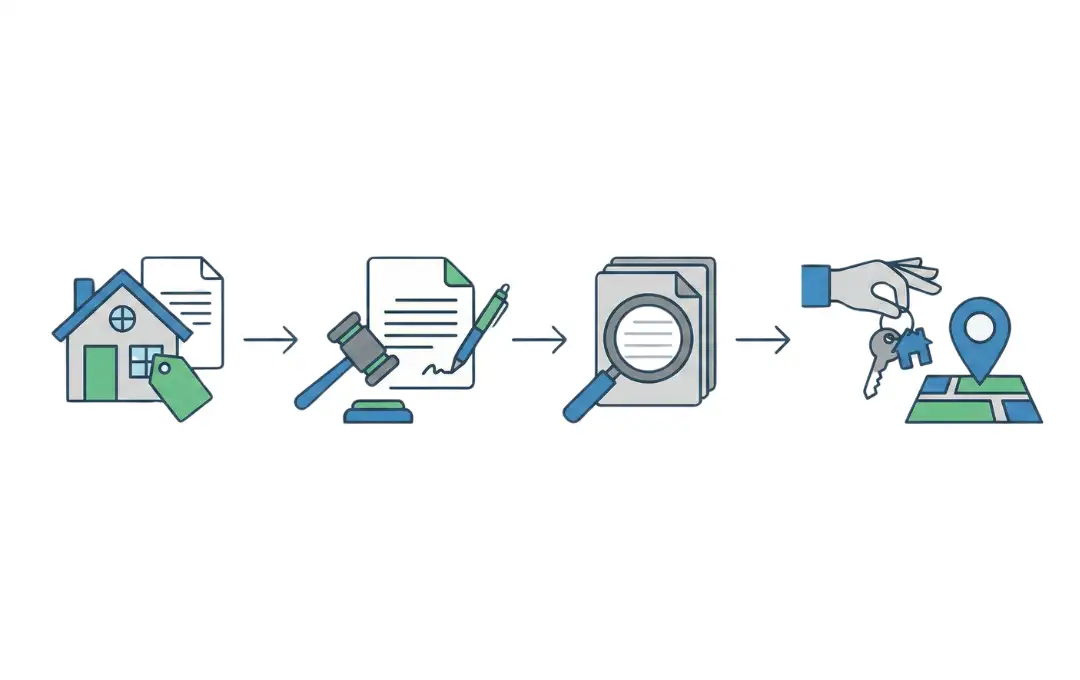
As an Ontario real estate law firm, we want to demystify this process. Here is a detailed breakdown of every legal step involved in buying a home in Brampton in 2026 — from your initial offer through to closing day.
Step 1: Pre-Offer Preparation — Assembling Your Legal Team
In 2026, you cannot wait until after your offer is accepted to find a lawyer. In a competitive market like Brampton’s, having legal counsel ready before you even begin house hunting is a genuine strategic advantage.
In multiple-offer situations, you may need a lawyer available to review an offer before you sign it — to ensure you are not committing to unfavourable terms simply to win a bidding war. Once you’re in a bidding war, there often isn’t time to bring a lawyer in for the first time.
The 2026 standard: Expect digital onboarding. Most modern law firms use secure client portals to collect your ID and initial information remotely, well before you find a property.
Step 2: The Agreement of Purchase and Sale — The Foundation
The legal process officially begins with the Agreement of Purchase and Sale (APS) — the contract used to formally offer a price to the seller. It is typically prepared by your real estate agent, but it is a legally binding document with significant consequences.
Key Legal Components of the APS
- Price and deposit: Your offered price, and the “good faith” deposit typically provided within 24 hours of acceptance.
- Chattels and fixtures: A clear list of what stays (light fixtures, built-in appliances) and what the seller takes with them (curtains, freestanding furniture).
- The closing date: The hard legal deadline on which ownership transfers.
- Conditions: The contract’s built-in safety valves — financing, inspection, and status certificate review, among others.
In 2026, electronic signatures through platforms like DocuSign remain the legal standard for signing the APS. For a full clause-by-clause breakdown, see our guide: decoding the APS — a professional’s guide to the Agreement of Purchase and Sale.
Step 3: The Conditional Period — Your Due Diligence Window
If your offer is accepted with conditions, you enter a critical phase that usually lasts 5 to 10 business days. You do not have a firm deal yet. During this window, your legal team and other advisors must validate the property before you commit irreversibly.
Common Legal Conditions to Navigate
Financing Condition: Even with a pre-approval, your lender must approve the specific property you are buying. Your lawyer liaises with your mortgage broker to confirm the lender’s requirements are met before you waive this condition.
Inspection Condition: If a home inspector finds major structural issues, you may need legal advice on how to amend the contract to request repairs or a price reduction — or how to walk away entirely. See our detailed guide on buyer protections when a home inspection reveals serious defects in Ontario.
Status Certificate Review (condos only): If you are buying a Brampton condo, this condition is non-negotiable. Your lawyer must review the full document package to assess the condo corporation’s financial health, any pending litigation, and reserve fund adequacy. See our companion guide on condo status certificate review for GTA buyers.
Crucial Brampton Tip: Verify Secondary Units
Brampton has a large stock of homes with basement apartments. If you are buying a home partly for the income potential of a basement unit, you must confirm it is a legally registered Second Unit with the City of Brampton. Your lawyer can verify its legal status during the conditional period. Buying a home with an illegal basement unit carries significant legal and financial risk — see our guides on legalizing a basement apartment in Brampton and the high cost of hiding an illegal basement apartment.
Once all conditions are satisfied, your lawyer or agent drafts a Waiver or Notice of Fulfillment. Once signed, you have a firm deal — and there is no turning back without significant legal and financial penalties. See our full guide on what happens when real estate deals fail to close in Ontario for what’s at stake once you go firm.
Step 4: The Lawyer’s Marathon — From Firm Deal to Closing
Once the deal is firm, your real estate agent’s role is largely complete, and your lawyer’s most intensive work begins. This phase typically runs 2 to 4 weeks before closing.
Title Search
Your lawyer searches the electronic land registry system (Teraview) to confirm the seller genuinely owns the property, and to identify any hidden liens, mortgages, or construction encumbrances registered against title. See our guide on uncovering hidden risks in title searches for what this process actually involves.
Off-Title Searches
Your lawyer checks directly with the City of Brampton, the Region of Peel, and relevant utility companies to confirm property taxes are paid up to date, there are no outstanding municipal work orders, and water bills are clear.
Title Insurance Procurement
In 2026, nearly every lender requires title insurance as a condition of funding. Your lawyer purchases this policy on your behalf. It protects you against title fraud, survey errors, and certain encroachments that a standard title search may not reveal. See our guide on what title insurance covers in Ontario — and what it doesn’t.
Mortgage Instructions
Your lender sends your lawyer detailed, itemized instructions. Your lawyer must satisfy every requirement demanded by the bank before mortgage funds will be released for closing.
Step 5: Final Signing and the Statement of Adjustments
A few days before closing, you meet with your lawyer — in person or via secure video conferencing, both widely accepted in 2026 — to sign your final closing documents.
At this meeting, you review the Statement of Adjustments: the final spreadsheet that calculates exactly how much money is required to close. It starts from the purchase price and adjusts for items the seller has already pre-paid. For example, if the seller paid Brampton property taxes for the full year and you are moving in in October, you reimburse the seller for the remaining months of tax already covered.
The Final Bank Draft
At this meeting, you provide the balance of your down payment plus all closing costs — legal fees, land transfer tax, the title insurance premium, and any adjustments — via bank draft or wire transfer. This amount cannot be financed through your mortgage; it must be available as liquid cash. See our full closing costs guide for first-time home buyers in Ontario to budget accurately well before this meeting.
Step 6: Closing Day — The Finish Line
On the closing date specified in the APS, you generally will not receive keys at 9:00 a.m. Closing is a process that unfolds throughout the day between legal offices.
- The money moves: Your lender sends the mortgage funds to your lawyer’s trust account, and your own down payment is added.
- The exchange: Your lawyer couriers the funds to the seller’s lawyer, and the seller’s lawyer releases the electronic transfer authorizing title.
- Registration: Your lawyer electronically registers the Transfer Deed with the Ontario Land Registry system. At this moment, you are officially the legal owner.
- Key release: Once registration is confirmed — typically mid-to-late afternoon — the lawyers notify the real estate agents, who release the physical keys to you.
For a complete picture of what can go wrong between a firm deal and this final step, see our guide on why real estate deals fail to close in Ontario and the legal remedies available.
Conclusion
Buying a home in Brampton involves many moving parts and strict legal deadlines, from your first offer through registration on closing day. While the process can feel overwhelming, an experienced real estate legal team ensures your investment is protected, the title is genuinely clean, and the transition into your new home is as smooth as the paperwork allows.
If you are preparing to buy in Brampton or anywhere in the GTA, contact GS Arora Law to have our real estate law team guide you from offer to closing.
Disclaimer: The information provided in this blog is for general informational purposes only and should not be considered legal, tax, financial, or professional advice. Regulations and procedures may change over time and vary by jurisdiction. For guidance tailored to your specific situation, please consult a qualified professional.